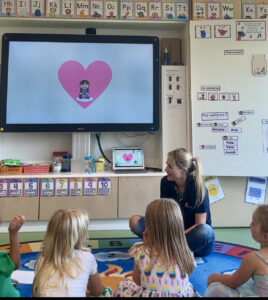
How to foster safety, motivation, and collaboration in your classroom
A positive classroom climate is an environment where students feel safe, supported, and engaged. It’s built intentionally every day through clear expectations, consistent routines, positivity, and by modeling the behavior you want to see.
Clear Expectations
Students thrive when they know what’s expected. Tips for setting expectations:
Keep rules simple and positively phrased: “We walk in the hallway” instead of “Don’t run.”
Involve students in creating classroom agreements
Praise and acknowledge students who follow the rules
Clear expectations create security and independence.
Consistent Routines
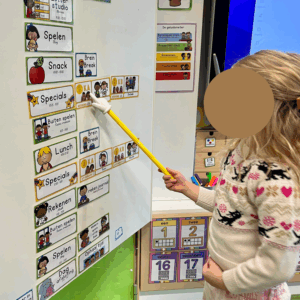
Routines give students structure, predictability, and confidence. Examples include:
Morning greetings
Start-of-day activities
Daily rituals like Star of the Day or Secret Complimenter
Fun variations: Monday Joke Day or Tuesday Dilemma
💡 Tip: Refresh routines if they lose their effect — keep them dynamic and fun!
Positivity in the Classroom
Encouraging positivity builds a supportive learning culture.
Process-oriented feedback → praise effort, strategies, and progress
Growth mindset language → use “not yet” instead of “can’t”
Celebrate challenges → frame difficult tasks as opportunities to grow
Fun ways to reinforce positivity:
Star of the Day: classmates notice and compliment one student
Secret Complimenter: secretly spread kindness during the day
Bucket Filler: students “fill” each other’s bucket with compliments
💡 Group rewards, like table points or team points, encourage collaboration, kindness, and helpfulness.
Cultivating a Growth Mindset
A growth mindset develops resilience, perseverance, and a positive attitude toward learning.
Strategies:
Recognize each student’s individual needs
Provide tasks that are challenging yet achievable
Celebrate small steps, not only final results
Model learning from mistakes: share your own mistakes and how you correct them
Classroom reflection: Ask students “What was your best mistake today?” to normalize learning from errors.
Reflection and Feedback
Reflection strengthens engagement, self-awareness, and critical thinking.
Short reflection moments during the day
Discuss feelings and learning experiences
Allow students to give feedback on lessons or teaching
This builds a culture of openness, respect, and shared growth.
Student Engagement
Engaged students are more motivated and successful.
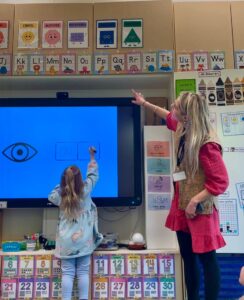
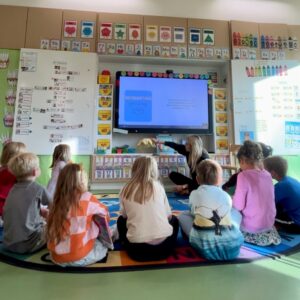
Use interactive and participatory lessons
Connect learning to students’ interests and daily life
Give choices in learning activities to increase autonomy
Group Dynamics and Collaboration
Collaborative games and tasks strengthen social skills and inclusion:
Mix partners and groups intentionally
Encourage students to work with peers they don’t usually play with
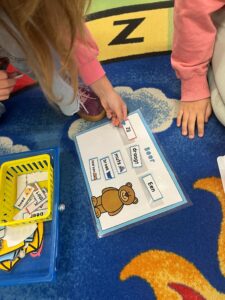
In younger grades, use photo cards or games to mix pairs
💡 Playful, dynamic approaches create a lively learning environment and help students build social skills.
Teacher as Role Model
Your behavior sets the tone for the classroom:
Use positive, consistent language
Display growth mindset reminders and posters
Act fairly, calmly, and with warmth
Show students how you handle challenges and that are mistakes are part of learning (and also your mistakes)
You cannot copy content of this page
Javascript not detected. Javascript required for this site to function. Please enable it in your browser settings and refresh this page.