
Relationships
the foundation of strong classroom management
A crucial element of successful classroom management is building a strong, positive relationship with your students. A positive relationship creates trust and a sense of safety, both essential conditions for effective learning.
The well-known educational principle “Relationship is achievement” highlights this clearly: when a child feels seen, valued, and safe, they are far more capable of learning and developing.
What does theory tell us?
Educational research consistently shows that the quality of the teacher–student relationship has a direct impact on:
- academic achievement
- motivation
- behaviour
- social-emotional development
According to Self-Determination Theory (Deci & Ryan), children have three basic psychological needs in order to learn effectively:
- Relatedness – feeling connected and belonging
- Autonomy – having choice and influence
- Competence – experiencing success
When these needs are met, intrinsic motivation increases and a positive learning climate emerges.
Why is a strong relationship so important?
A positive teacher–student relationship leads to:
- Trust
Students feel safe to take risks, ask questions, and make mistakes. - Motivation
Children are more engaged and willing to invest effort when they feel connected to their teacher. - Openness
Students are more likely to share worries, emotions, or challenges. - Respect
Mutual respect creates a calm, safe, and productive learning environment for everyone.
Strategies for building strong relationships
Consistency and fairness
- Treat all students equally and justly
- Be consistent in your actions, expectations, and language
Predictability helps students feel safe.
Individual attention
- Show genuine interest in each child
- Take time to truly get to know your students—their interests, strengths, and needs
Positive communication
- Use positive reinforcement
- Listen actively and take students seriously
Reliability
- Keep your promises
- Be transparent about expectations and decisions
Empathy
- Show understanding for students’ emotions and challenges
- Acknowledge struggles and guide students through them
- Create a classroom culture where mistakes are seen as learning opportunities
Shared activities
- Organise activities that strengthen group connection
- Involve students in decision-making whenever possible
Active involvement strengthens relationships
“Tell me and I forget, teach me and I may remember, involve me and I learn.”
— Benjamin Franklin
This quote aligns with experiential learning: learning by doing and experiencing. Active involvement not only deepens understanding, but also strengthens the relationship between teacher and student.
You can encourage this by:
- Discovering – allowing students to find solutions themselves
- Experimenting – encouraging students to try new things and learn from mistakes
- Reflecting – helping students think about what they experienced and learned
Applying: offering opportunities to use new knowledge in meaningful contexts
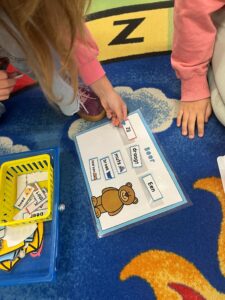
Student involvement in practice
“Help me do it myself” — Maria Montessori
Actively involving students in their own learning process increases ownership and strengthens relationships. A positive classroom climate is something you build together with your students.
Practical examples include:
- Involving students in creating classroom agreements
- Letting students lead circle time
- Allowing older students to independently manage the daily calendar
- Creating classroom responsibilities together (tidying up, handing out materials, helper roles)
This helps students feel heard, respected, and confident.
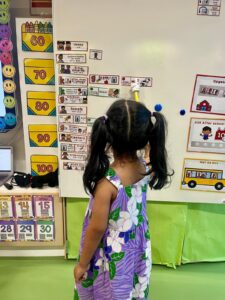
Routines and traditions
Shared routines and traditions also play an important role in building strong relationships. They create structure, predictability, and a sense of belonging.
- Start the day with a familiar routine
- Use short games or movement breaks
- Strengthen group dynamics and social skills
By making learning enjoyable and nurturing the group dynamic, you not only create a positive classroom climate but also strengthen your own relationship with your students.