Building Connection and Structure in the Classroom
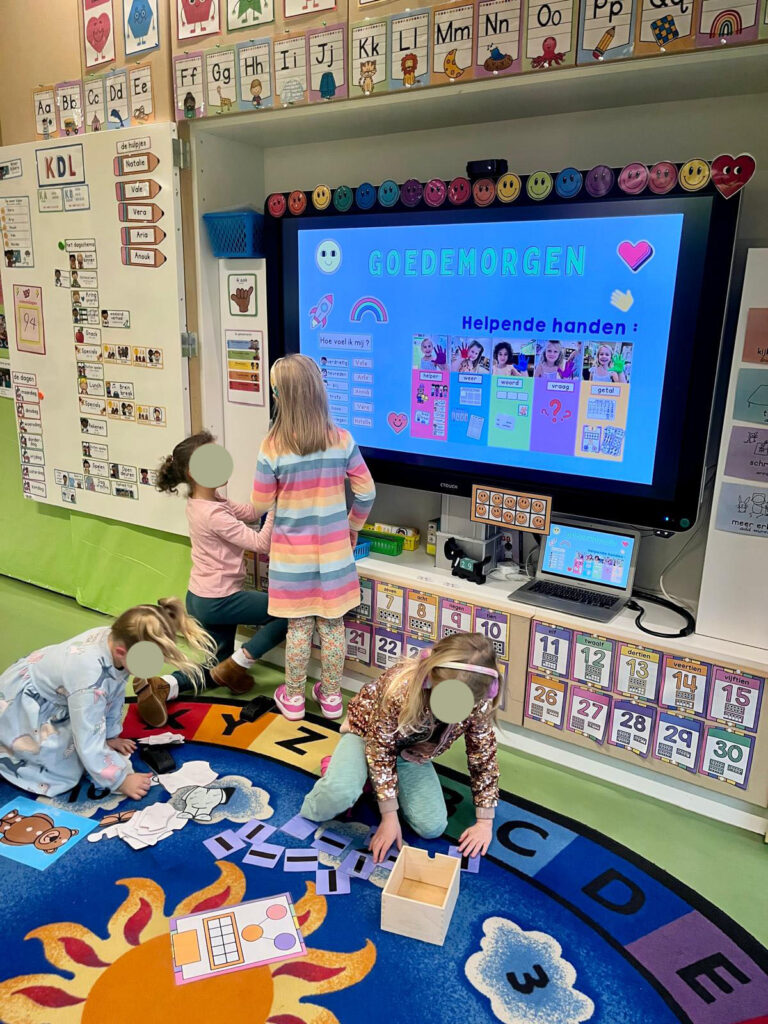
Our Morning Meeting is a daily classroom routine that sets the tone for the day. It is a time for students to connect, share, and prepare for learning in a structured yet warm environment. By starting each day together, students feel seen and valued, and the teacher can model social-emotional skills, active listening, and respectful communication.
A typical Morning Meeting combines four key elements:
In my classroom, Morning Meeting is more than a friendly start to the day. It’s a carefully designed routine that blends community-building, language development, and student leadership. Over time, this routine has grown from a simple daily check-in into a rich learning experience that supports both Dutch and English in an intentional, playful way.
The Core Structure
While the format is flexible, our Morning Meeting typically includes:
1. Greeting
Every child is greeted by name — sometimes with a handshake, sometimes in song, and often in both languages. This simple ritual builds belonging and sets a positive tone.
2. Sharing
Students share personal news, respond to a prompt, or comment on a peer’s idea. In my classroom children have classroom jobs and get to share their job with the class, practicing Dutch sentence formation.
3. Morning Message
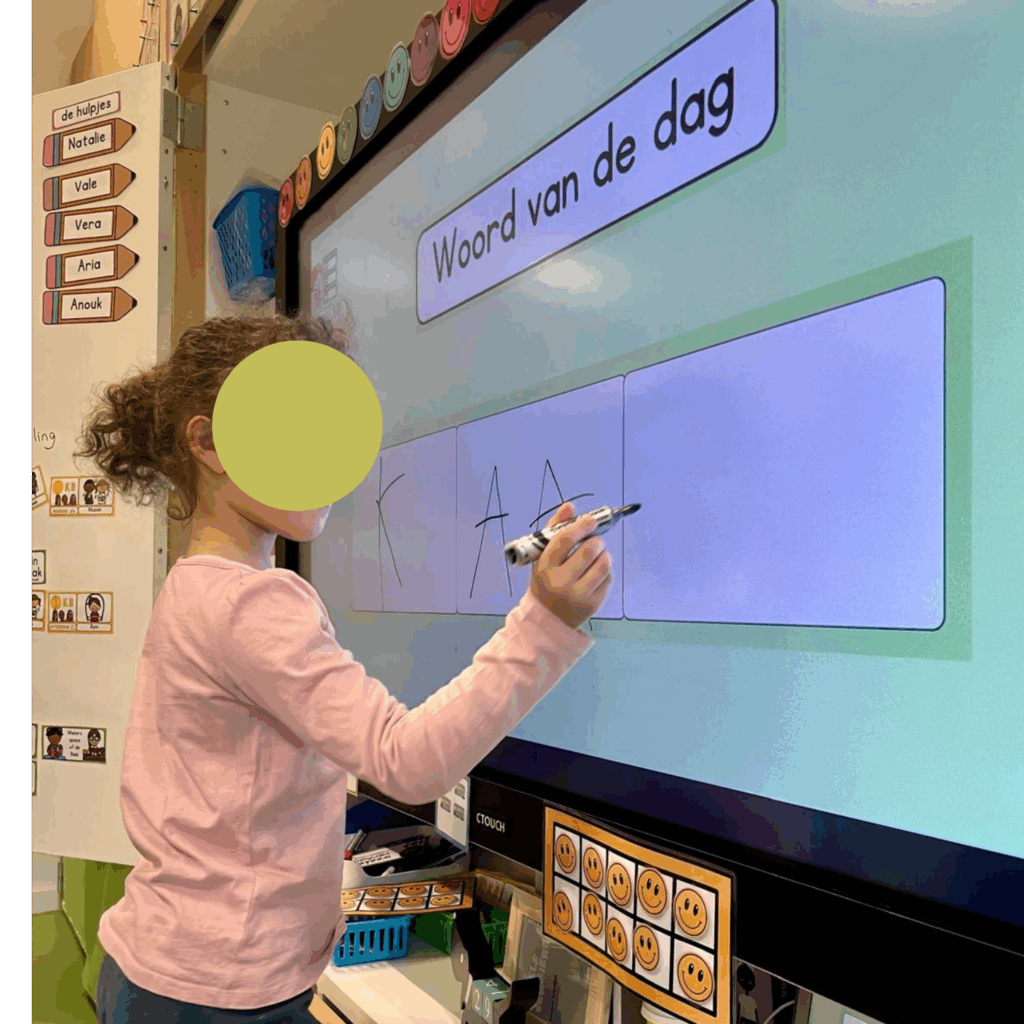
Part of our routine, and actually of the daily jobs is the “morning message”. The kids get a secret message that they have to decode. Every day a word get’s added and so we form a sentence.
4. Activity
A short, engaging game or cooperative task gets bodies moving and brains engaged. I often do a yoga brain break with the kids.
Evolving Our Morning Meeting in Dutch
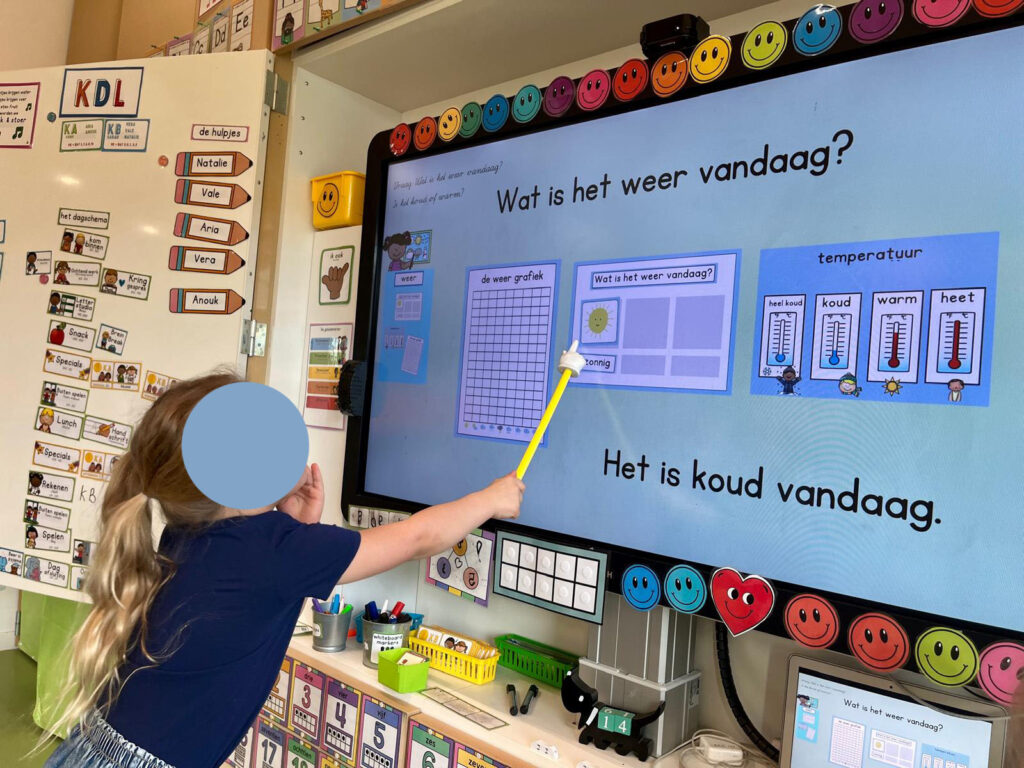
When my students first arrived, their responses to questions like “Wat is het weer vandaag?” (“What is the weather today?”) were just one or two words: ja (yes) or nee (no). As their confidence grew, I began adding visible sentence frames so they could respond with full sentences like “Het is koud” (“It is cold”) or “Het is heel leuk” (“It was very fun”).
This evolution also shaped how we run our routines:
Temperature Discussion – The class decides together if it’s koud or warm, practicing numbers while discussing the temperature.
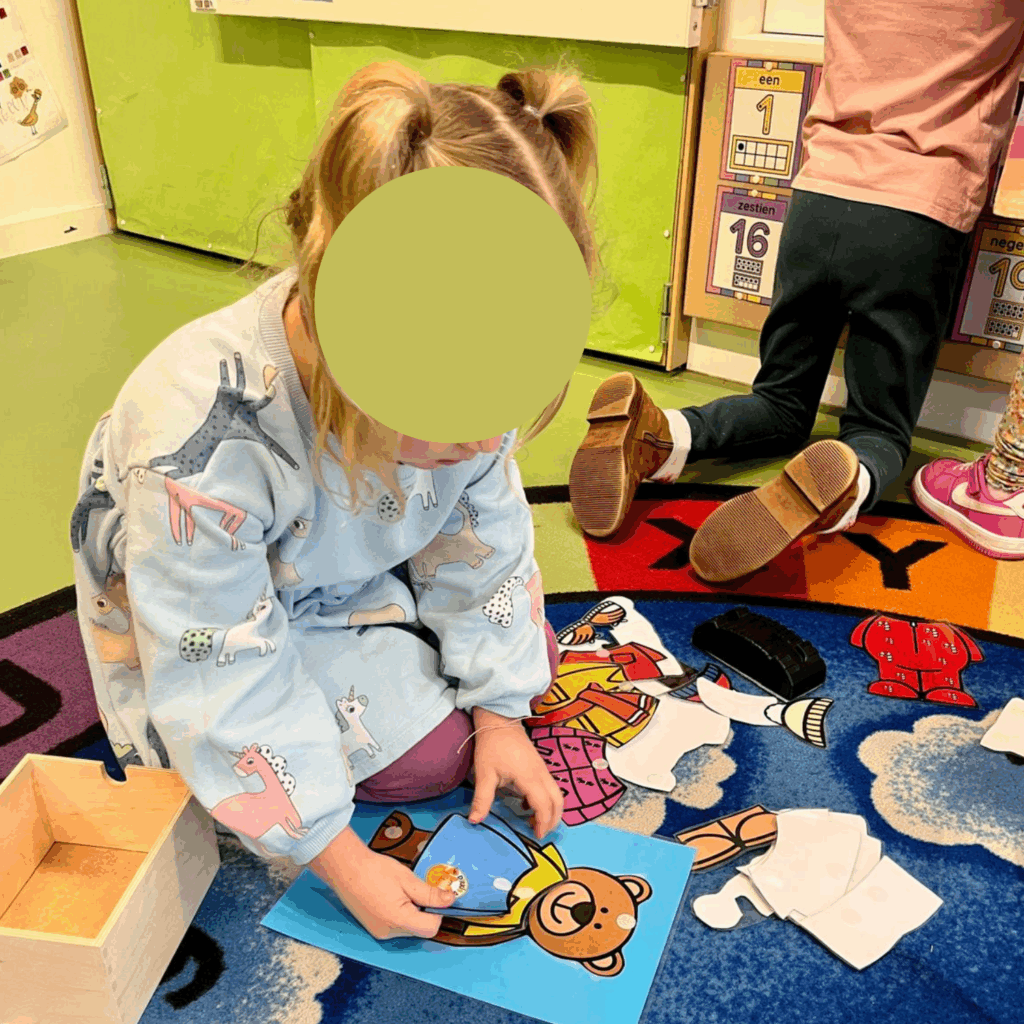
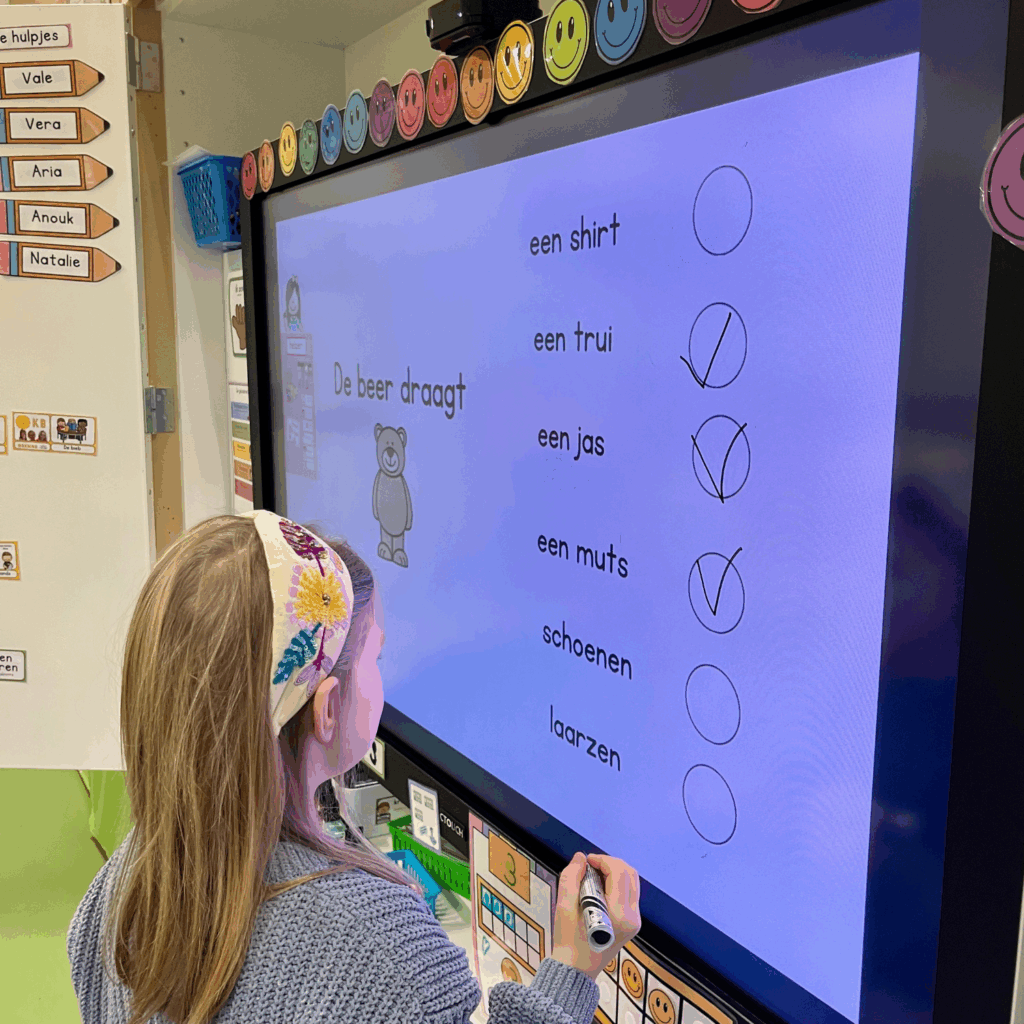
Dressing the Bear – The Helper of the Day dresses our classroom bear appropriately for the weather, describing the outfit in Dutch (“De beer draagt een jas” – “The bear is wearing a coat”).
Word-Picture Matching – Students match weather pictures with the correct Dutch words, practicing sounding out and identifying initial sounds.
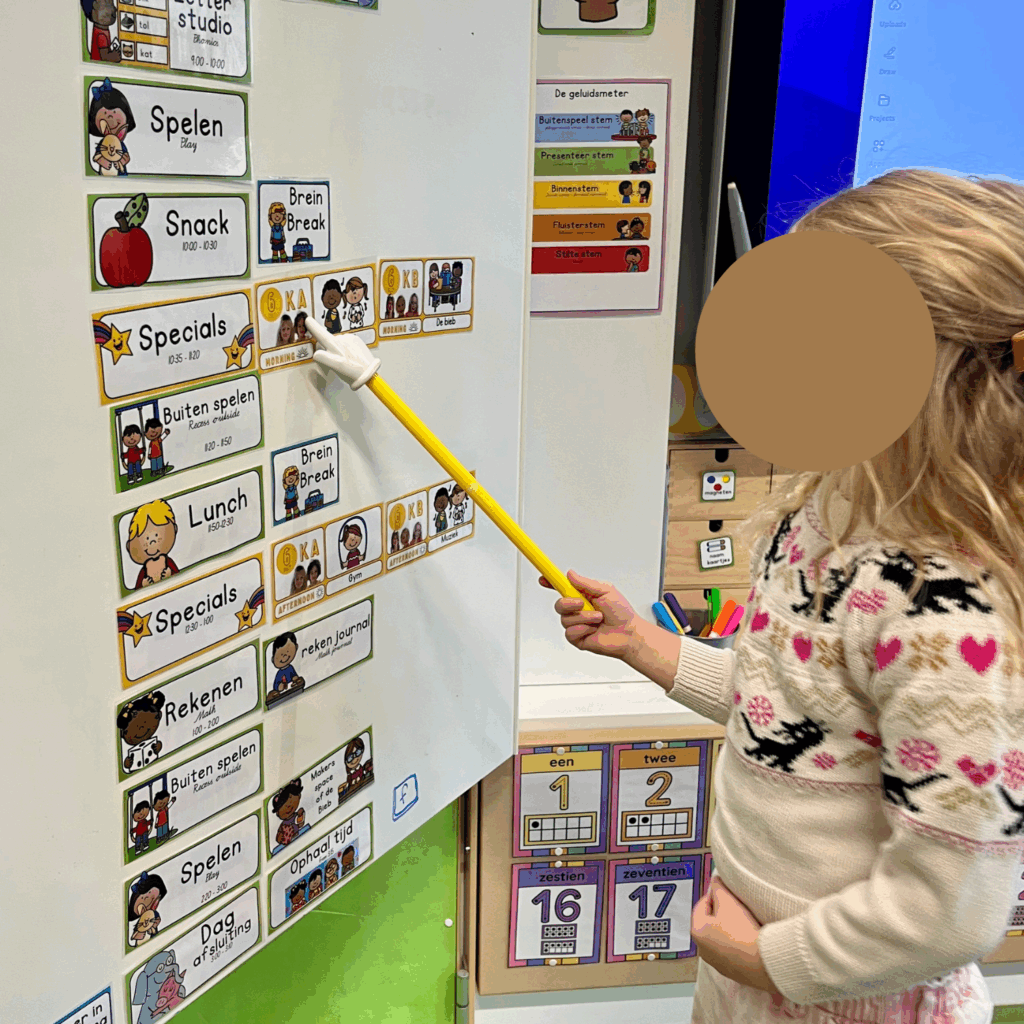
Daily Schedule Reading – The Helper reads the day’s schedule in Dutch, using a special pointer, and then we repeat it in English.
These elements blend literacy, oral language, and math skills seamlessly into our morning routine.
Classroom Jobs Inside Morning Meeting
Morning Meeting is also the anchor point for our classroom jobs, which rotate daily or weekly. Jobs give students ownership, create real reasons to use new vocabulary, and build responsibility.
Some of our favorite jobs:
Helper of the Day – reads the affirmation of the day, reads the schedule,
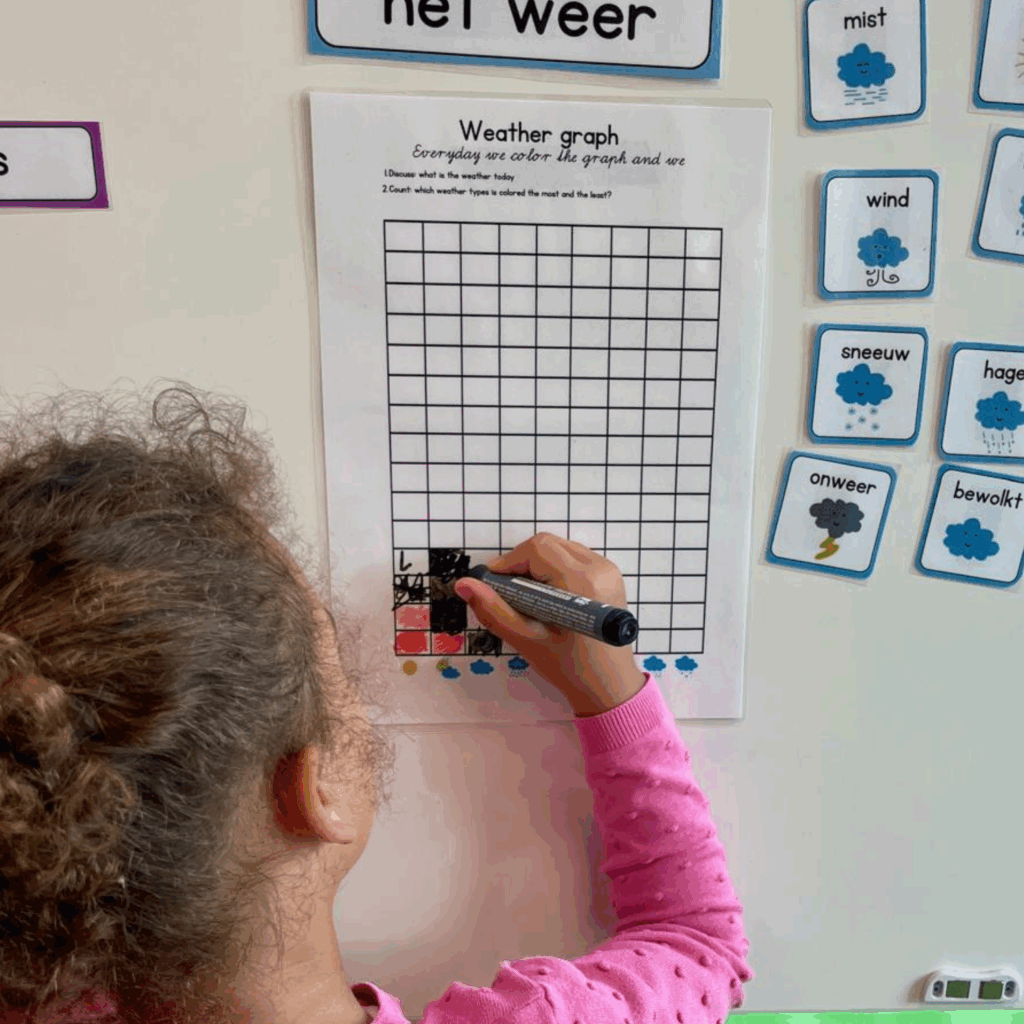
Weather Forecaster – Graphs weather, compares data (meer/minder), uses temperature expressions, dresses the Weather Bear
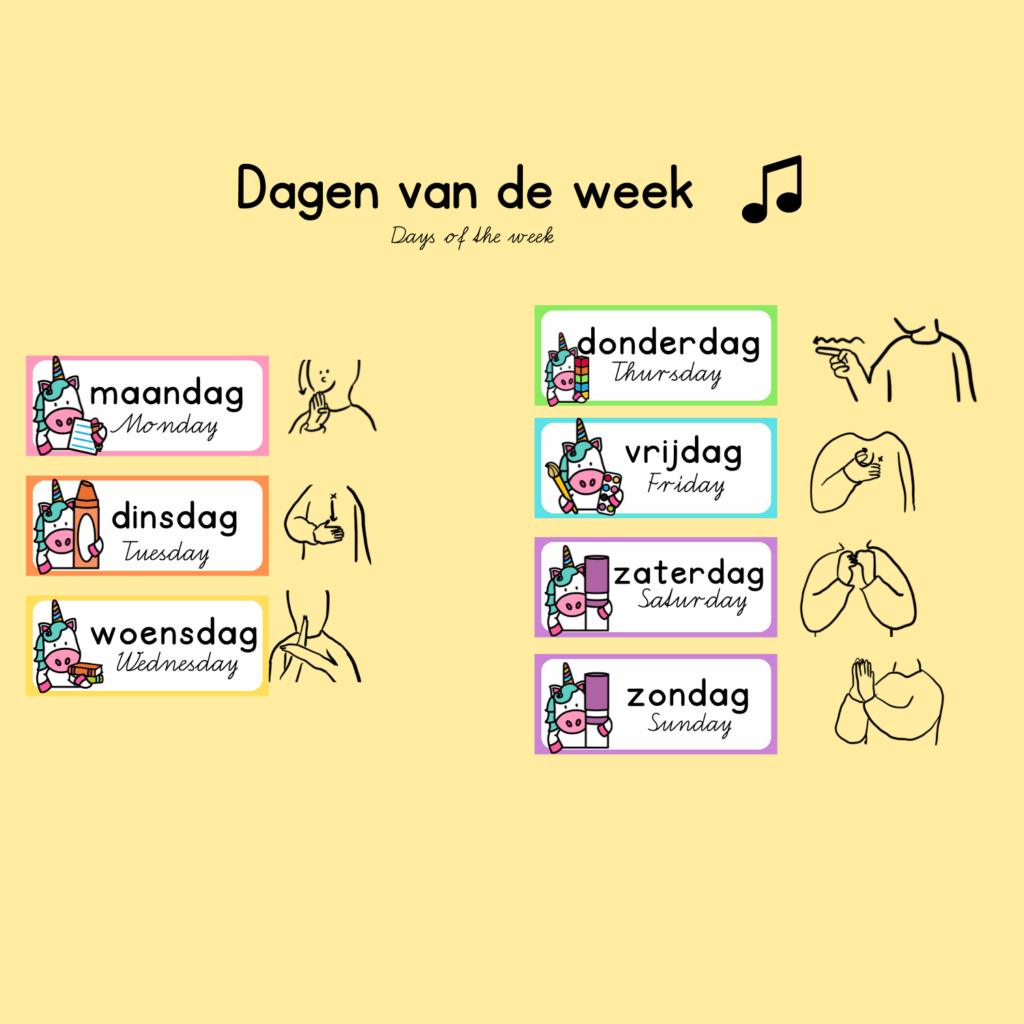
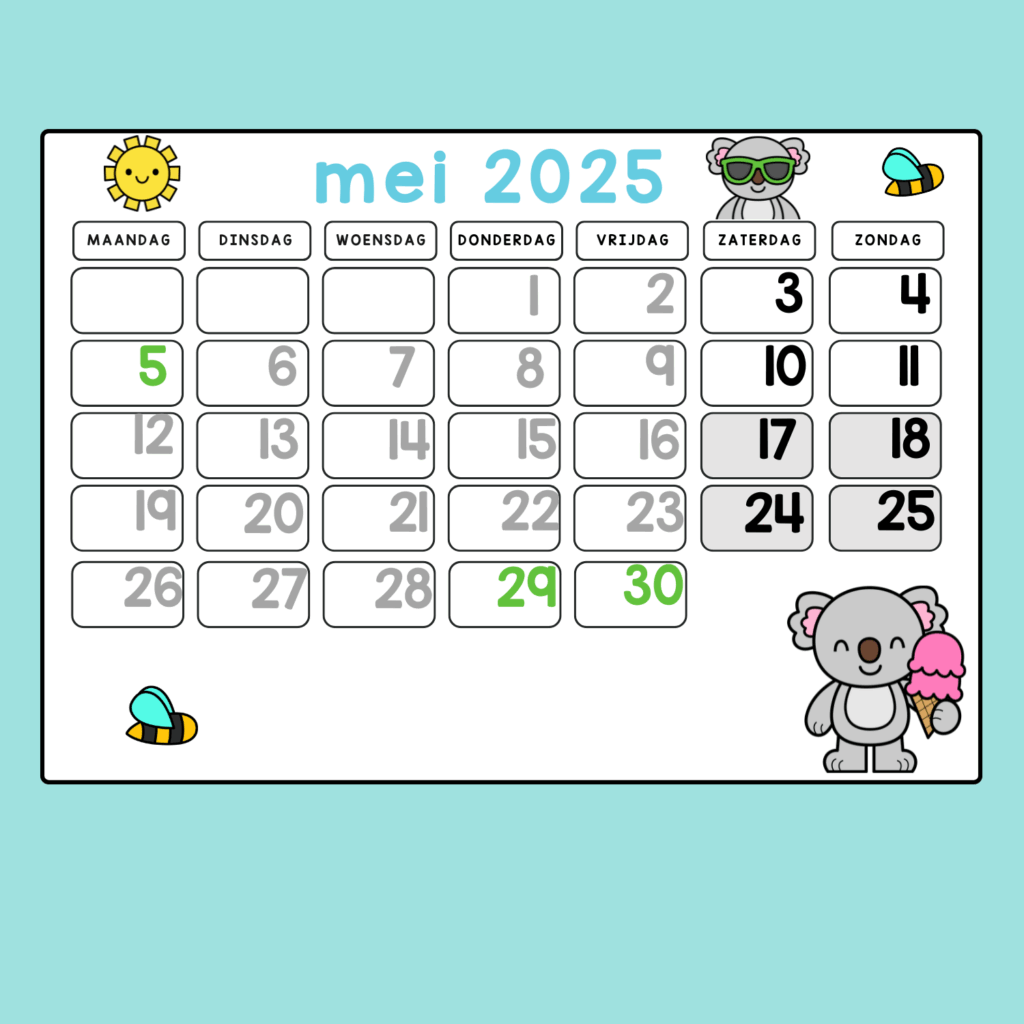
Calendar –
Question Master – Practices forming questions, uses sentence starters, and guides class discussions
Number of the Day Leader – Chooses a number card and represents it in different ways (numeral, tally marks, ten frame, number bond)
Word Detective: reads us the word of the day.
Secret message (morning message) – helps us decode the secret word. As part of our daily jobs, the class looks forward to the Morning Message — a secret message that must be decoded. Each day, the Word Detective reveals a new word, and together we work out where it fits in the sentence. Bit by bit, the message grows until, by the end of the week, we can read the full sentence aloud. It’s a fun blend of literacy, teamwork, and curiosity — and the suspense of “What’s the next word?” keeps everyone eager to participate.
These jobs not only support academic goals like math fluency and phonics but also give children the chance to be leaders in both languages.
Helper of the day
Starts the day by choosing an affirmation.
Reads the schedule, dresses the Weather Bear, leads weather discussions
Weather forecaster
Graphs weather, compares data (meer/minder), uses temperature expressions, dresses the Weather Bear
Calendar
Picks a card and writes the word of the day on the board. Before the morning meeting starts he/she writes it also on a special laminated card that we hand up on the board.
Word detective
Picks a card and writes the word of the day on the board. Before the morning meeting starts he/she writes it also on a special laminated card that we hand up on the board.
Secret message
Leads the class in sounding out the Daily Message, blending and segmenting sounds, and expanding vocabulary
Number of the day leader
Question master
Practices forming questions, uses sentence starters, and guides class discussions
A Dual Language Advantage
In a monolingual classroom, Morning Meeting builds community. In a dual language classroom, it does that and more — it creates authentic opportunities for language practice.
Students hear and use both languages daily in a low-pressure setting
Sentence frames and routines make language use predictable, lowering the barrier to participation
Leadership roles in two languages boost confidence and pride
Over time, I’ve watched my students move from hesitant single words to proudly leading parts of the meeting entirely in Dutch, even if it’s not their home language.
Flexibility and Differentiation
Morning Meeting can be adapted to suit the needs and abilities of the class. For younger children or those still developing language skills, activities may be more visual and movement-based. For older students, the meeting can include richer vocabulary, collaborative problem-solving, or deeper discussion topics.
You cannot copy content of this page
Javascript not detected. Javascript required for this site to function. Please enable it in your browser settings and refresh this page.