Breathing may seem automatic, but conscious breathing is a powerful skill that helps children focus, regulate emotions, and find calm during a busy school day. Breathing exercises create short, intentional moments of awareness in which children learn to listen to their bodies and recognize signals of tension or overstimulation.
From a theoretical perspective, breathing has a direct impact on the nervous system. Slow, intentional breathing activates the parasympathetic nervous system, supporting relaxation and recovery. This, in turn, strengthens skills closely related to executive functions, such as impulse control, sustained attention, and emotional regulation. When practiced regularly, breathing exercises support both mental and physical resilience. Children learn to manage stress, tension, and sensory input while developing greater self-awareness.
In my classroom, I use breathing exercises at various moments throughout the day. Between lessons, we might do a short energizer or a calming exercise to reset focus. Breathing exercises are also especially helpful after a stimulating PE lesson or before a test, when some children may feel nervous or tense. These moments help children pause, relax, and re-engage with learning. I often end with a short, positive affirmation, such as: “I am good just the way I am.” This supports a positive mindset and self-confidence.
Rainbow Breathing
One of the favorite breathing exercises in my classroom is Rainbow Breathing. I first model the exercise and then practice it together with the children. As the routine becomes familiar, children learn to use the exercise independently. Each child receives a rainbow visual, which they keep in their zen zone toolkit.
This visual support helps children remember the exercise and encourages them to apply it independently when they feel the need. In this way, self-regulation is not only taught, but actively supported.
Learning to Breathe Through Play and Imagination
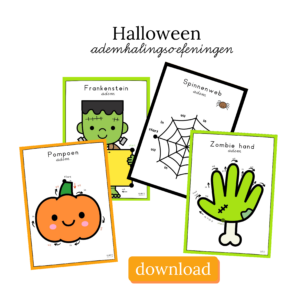
I intentionally make breathing exercises fun and accessible by using creativity, imagination, and themes that resonate with children. Some examples, inspired by Halloween, include:
Pumpkin Breathing Children breathe in deeply as if filling a large pumpkin, then slowly breathe out as if pushing the air back out. A playful way to release tension.
Zombie Hand (Five Finger Breathing) Children trace the outline of their hand with a finger while breathing in and out. This supports concentration and emotional regulation.
Spider Web Breathing By breathing out an imaginary spider web, children learn to release tension and focus their attention on the breath.
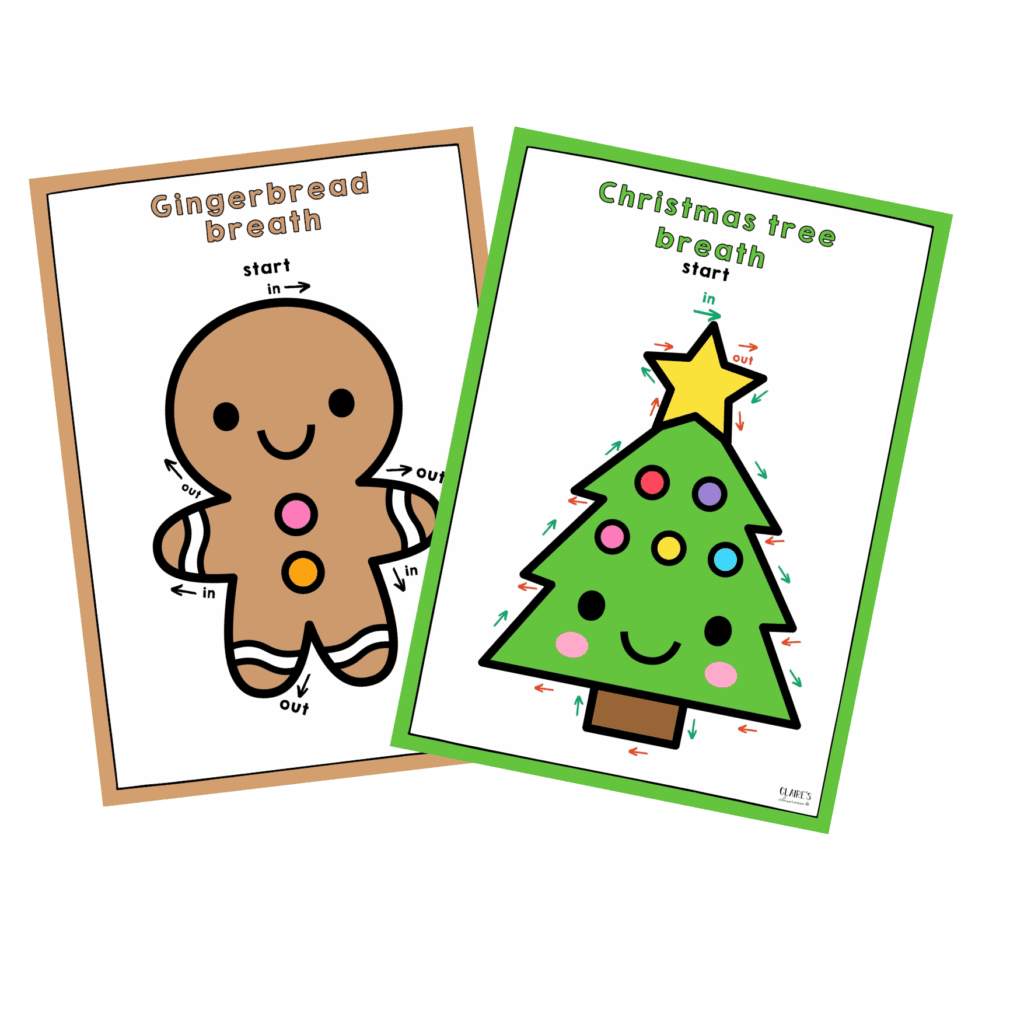
Breathing exercises can also be adapted to other seasons, such as Christmas Tree Breathing or Gingerbread Breathing during the winter months. By linking breathing to imagination and seasonal themes, mindfulness becomes concrete, playful, and meaningful for children.
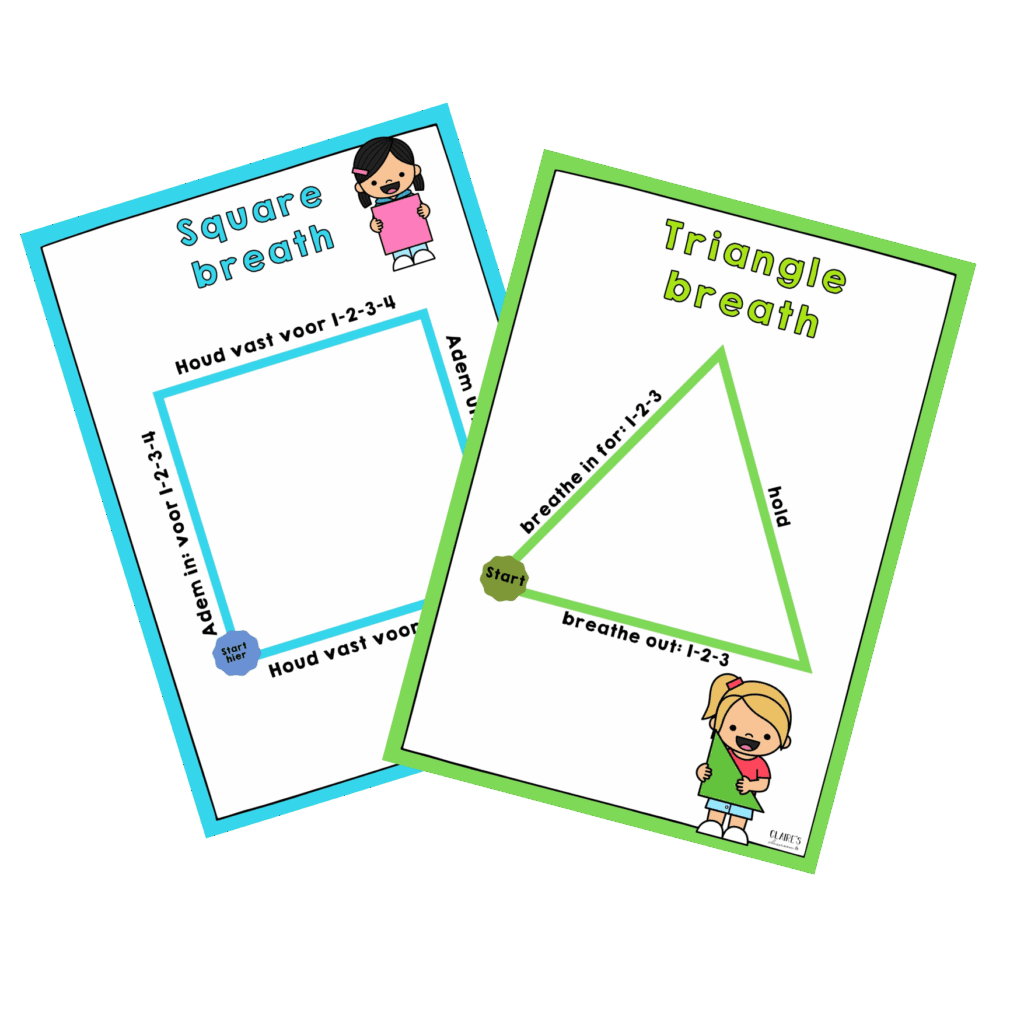
I also connect breathing exercises to other subjects, such as mathematics, making them a natural and integrated part of the school day. In this way, children learn from an early age that breathing is a practical tool that supports their well-being, focus, and learning.
You cannot copy content of this page
Javascript not detected. Javascript required for this site to function. Please enable it in your browser settings and refresh this page.